Sed ut perspiciatis unde omnis iste natus error sit voluptatem accusantium doloremque laudantium, totam rem aperiam, eaque ipsa quae ab illo inventore veritatis et quasi architecto beatae vitae dicta sunt explicabo. Nemo enim ipsam voluptatem quia voluptas sit aspernatur aut odit aut fugit, sed quia consequuntur magni dolores eos qui ratione voluptatem sequi nesciunt. Neque porro quisquam est, qui dolorem ipsum quia
Insurance Services
Abillo inventore veritatis et quasi architecto beatae vitae dicta sunt explicabo. Nemo enim ipsam voluptatem quia voluptas sit aspernatur aut odit aut fugit, sed quia consequuntur magni dolores
Support Growth team in expanding customer base within legal industry as well as new markets
Find prospective customer leads via LinkedIn Sales Navigator, industry directories, personal network and other sources
Qualify prospective customer leads via email, phone, and Linkedin messaging
Track and analyze prospective customer pipeline, presenting stats and progress to Growth team
Identify trends in prospective customer engagement with various outreach campaigns
Handling Mounting And Unmounting Given Navigation Routes In React Native
Sed ut perspiciatis unde omnis iste natus error sit voluptatem accusantium doloremque laudantium, totam rem aperiam, eaque ipsa quae ab illo inventore veritatis et quasi architecto beatae vitae dicta sunt explicabo. Nemo enim ipsam voluptatem quia voluptas sit aspernatur aut odit aut fugit, sed quia consequuntur magni dolores eos qui ratione voluptatem sequi nesciunt. Neque porro quisquam est, qui dolorem ipsum quia
Insurance Services
Abillo inventore veritatis et quasi architecto beatae vitae dicta sunt explicabo. Nemo enim ipsam voluptatem quia voluptas sit aspernatur aut odit aut fugit, sed quia consequuntur magni dolores
Support Growth team in expanding customer base within legal industry as well as new markets
Find prospective customer leads via LinkedIn Sales Navigator, industry directories, personal network and other sources
Qualify prospective customer leads via email, phone, and Linkedin messaging
Track and analyze prospective customer pipeline, presenting stats and progress to Growth team
Identify trends in prospective customer engagement with various outreach campaigns
Handling Mounting And Unmounting Given Navigation Routes In React Native
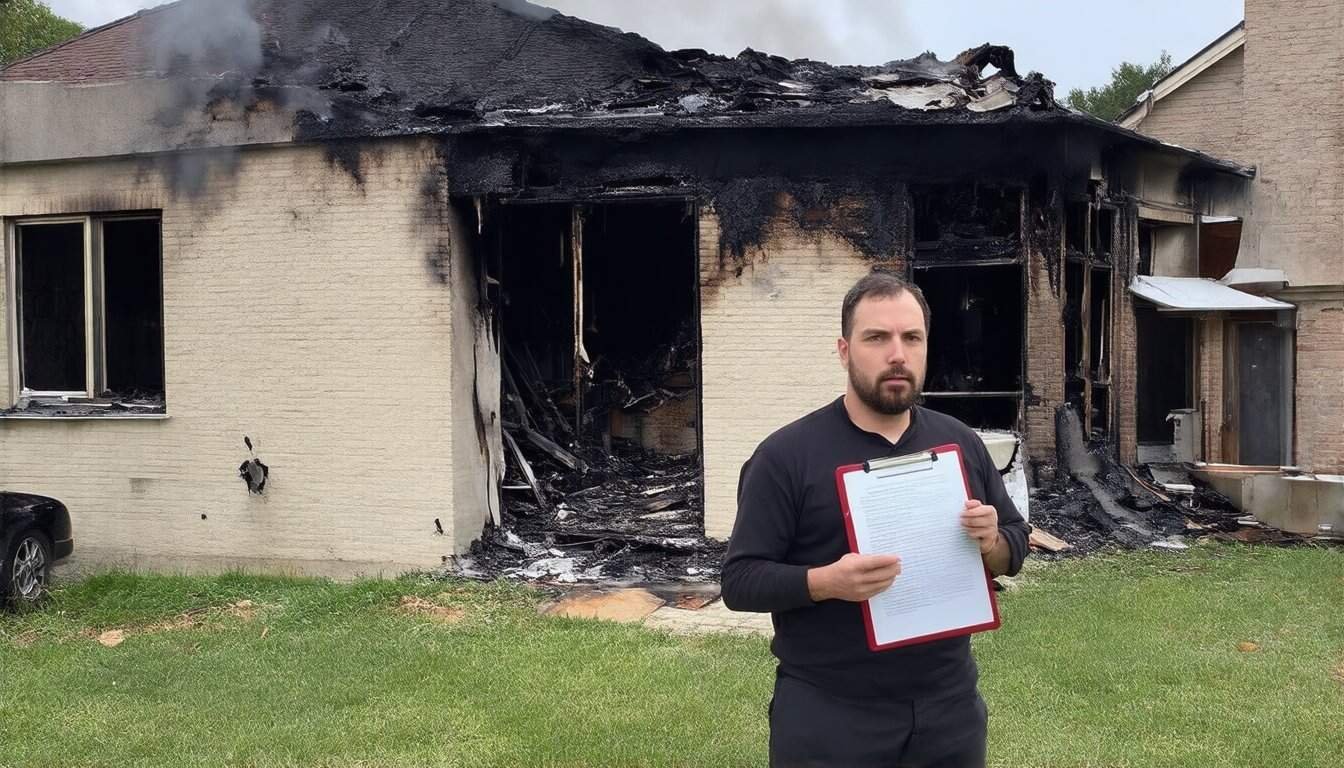
Fire is one of the most damaging and costly events a property owner can experience, and one of the most common reasons people file insurance claims. The question isn’t simply “Does insurance cover fire?” — it’s how insurance covers fire risk, how much is paid out, what exclusions apply, and what the policyholder must do to receive full compensation. This guide explains how fire coverage works in homeowners, renters, landlord, and commercial policies, and what actually happens when a fire loss claim is filed.
Insurance Services
Insurance companies treat fire as a “named peril,” meaning it is one of the specific types of losses automatically included in most standard policies. Fire coverage typically applies to:
Structural damage to the building
Smoke and soot contamination
Damage to personal belongings
Additional living expenses (if a home becomes uninhabitable)
Debris removal after the fire
Fire department service charges
Fire insurance is not sold as a separate standalone policy in most cases — it is included in homeowners, renters, dwelling, and commercial property insurance.
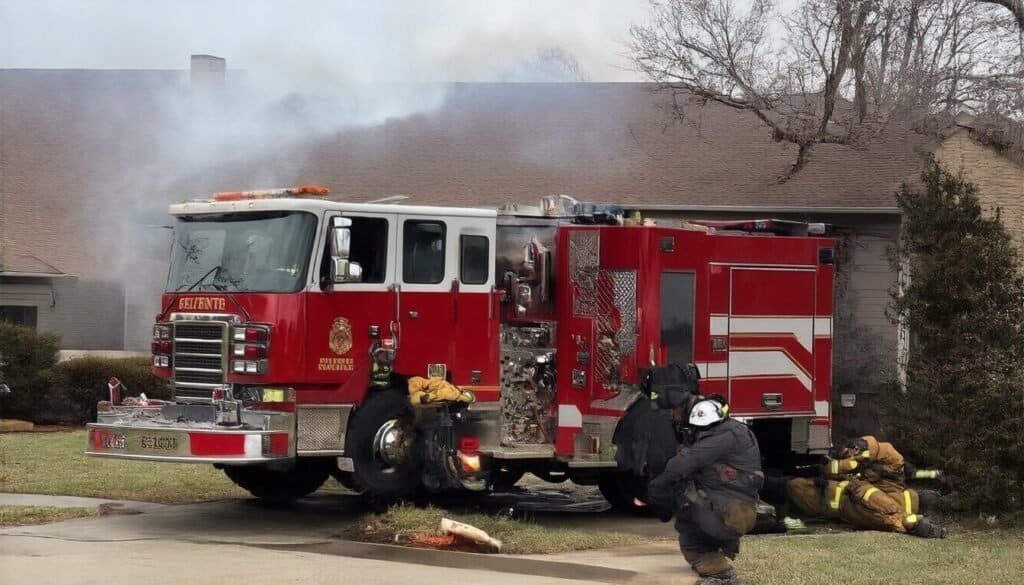
Fire departments respond first, but insurance companies handle the financial recovery after a fire.
Personal property replacement – furniture, clothing, electronics, tools
Smoke and soot cleanup – professional restoration services
Temporary housing – hotel or rental while repairs are made
Debris removal and disposal – required before rebuilding can begin
According to the Insurance Information Institute, the average fire and lightning claim in the United States exceeds $83,000, making it one of the highest-value claim categories in property insurance.
What Fire Insurance Does Not Cover
Even though fire is a covered peril, there are exclusions that cause claims to be denied or reduced:
Fire loss payouts depend heavily on whether the policy pays Replacement Cost Value (RCV) or Actual Cash Value (ACV).
Payout Type
What the Insured Receives
Replacement Cost Value
Full cost to rebuild or replace items, no depreciation
Actual Cash Value
Depreciated value based on age and condition
RCV policies can pay 30–50% more than ACV policies after a fire because depreciation is not subtracted from the settlement.
How a Fire Insurance Claim Works
Contact your insurer immediately
Protect the property from further damage (required under policy terms)
Document all damage with photos and video
Request a certified copy of the policy
File a proof-of-loss form with itemized values
Secure at least one independent repair estimate
Track temporary housing costs and receipts
Do not accept the first settlement offer without review
FEMA recommends creating a home inventory before losses occur, because the insurance company will require a detailed list of destroyed belongings.
Fire Loss Coverage by Policy Type
Policy Type
Fire Coverage
Notes
Homeowners (HO-3 / HO-5)
✅ Yes
Most standard policies
Renters Insurance
✅ Yes
Belongings only, not structure
Condo Insurance
✅ Yes
Covers interior unit, not building exterior
Landlord / Dwelling Policy
✅ Yes
Covers structure, not tenant property
Commercial Property Policy
✅ Yes
Often includes business interruption
Policyholders must document all losses and submit proof before settlement.
What About Wildfire and Smoke Damage?
Smoke, ash, and soot are considered direct results of fire and are usually covered — even if the flames never reached the property. Wildfire losses, however, may require additional underwriting in high-risk areas, and some insurers exclude wildfire entirely unless added by endorsement.
The U.S. Fire Administration reports that smoke alone can cause more toxic and permanent damage than flames.
Yes. Cooking fires, electrical faults, appliance failures, and space heater fires are normally covered unless excluded.
Does insurance cover arson?
Arson is covered only if the policyholder was not responsible. Intentional fires void the policy.
Does insurance cover smoke damage?
Yes. Smoke and soot are treated as direct fire damage.
Does insurance cover fire damage in a rental?
Renters insurance covers personal belongings. The landlord’s policy covers the building.
Will insurance pay for hotel costs after a fire?
Yes, under Additional Living Expenses (ALE) coverage, if the home is uninhabitable.
Conclusion
Insurance does cover fire loss, but coverage depends on the cause of the fire, policy exclusions, and how the payout is calculated. Policyholders who understand the difference between replacement cost and actual cash value, who document losses thoroughly, and who file claims correctly are far more likely to be fully reimbursed.
Fire insurance is not just about having a policy — it’s about knowing what it will and will not pay for when the damage is real.