
A .08 DUI in Illinois can shake your week, your job, and your budget. Take a breath. You can take smart steps now to protect your license and build a strong plan.
In Illinois, .08 BAC is the legal limit for drivers age 21 and over. A test at or above .08 can trigger both a criminal DUI charge and a separate license suspension. This guide walks you through the stop, testing rules, penalties, license suspension, court steps, and the moves that help most. This information reflects Illinois practices as of 2025. Deadlines come fast, so early action matters.
Pulled over at .08 in Illinois: what happens next
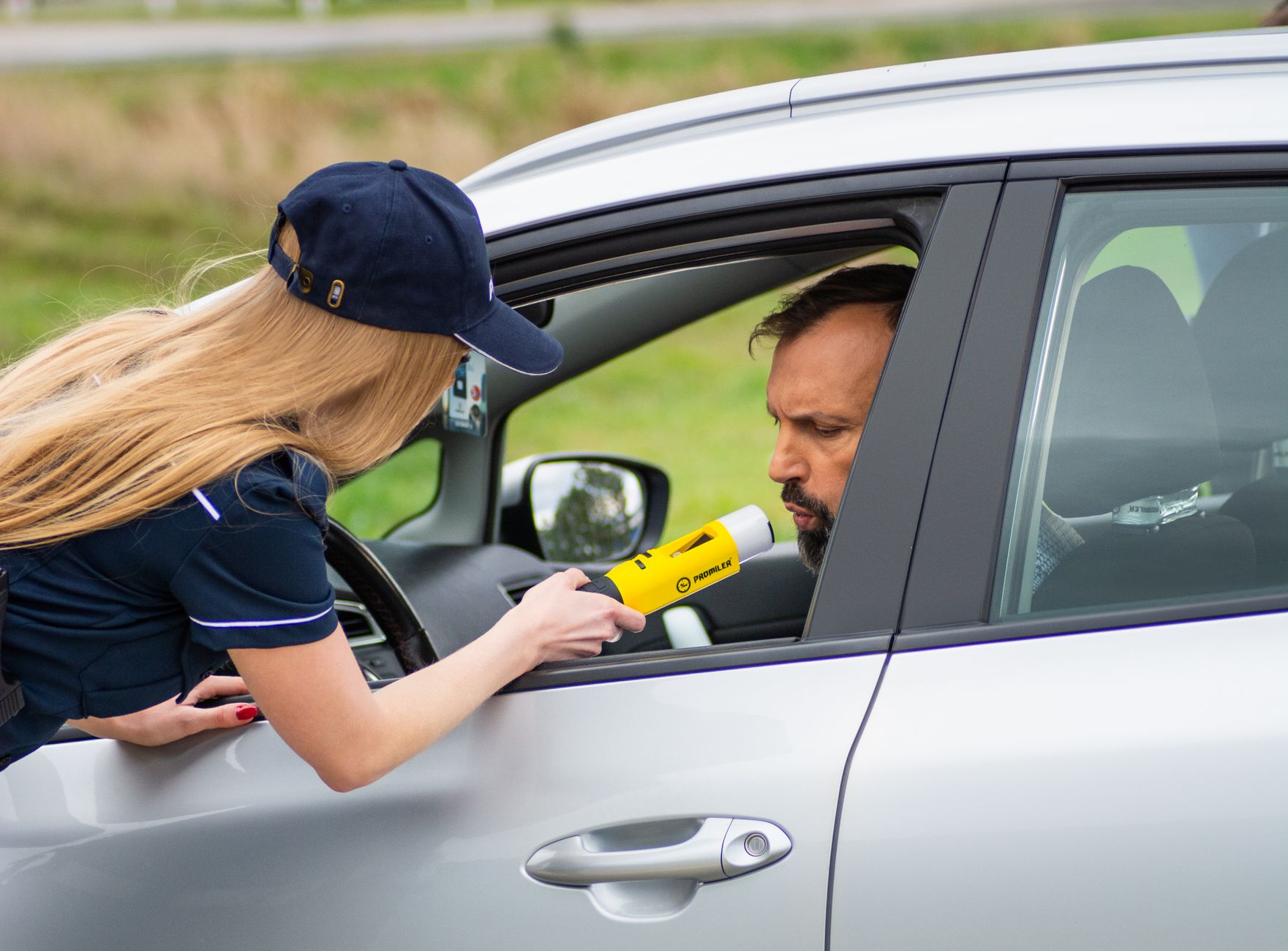 Photo by Łukasz Promiler
From traffic stop to arrest: the usual DUI timeline
- Reason for the stop: Officers can stop you for weaving, speeding, equipment issues, or at a checkpoint.
- Officer observations: They note odor of alcohol, glassy eyes, slurred speech, or fumbling for documents.
- Field sobriety tests: You may be asked to perform walk-and-turn, one-leg stand, or eye tests.
- Preliminary breath test: A handheld test at the roadside can help decide whether to arrest, but it is not the official test used in court.
- Arrest and station: If the officer has probable cause, expect arrest, transport to the station, and a request for an official breath, blood, or urine test.
You might receive tickets, a Notice of Summary Suspension, bond papers, and a court date. Read everything. The clock is already ticking.
Testing, refusal, and implied consent in Illinois
Illinois uses implied consent. By driving on Illinois roads, you agree to chemical testing after a lawful DUI arrest. Officers can request breath, blood, or urine. If you refuse, your license suspension is longer than if you fail the test.
- Test failure at .08 or higher, shorter suspension.
- Test refusal, longer suspension, and it can affect your case strategy.
Illinois treats refusals and high BACs seriously. Courts and prosecutors track both.
Your license after arrest: summary suspension notice
A DUI arrest does not wait for a conviction to hit your license. Illinois uses a statutory summary suspension when you fail or refuse a post-arrest test. Typical lengths:
- Failed test at .08 or higher, 6 months
- Refused test, 12 months
Your suspension usually starts 46 days after you are served notice. That gap gives you time to plan driving relief or request a hearing. For a clear overview of how the automatic suspension works, see this plain-English guide on the 45-day waiting period before a suspension begins. You can also explore how a statutory summary suspension works in Illinois.
You can request a hearing to challenge the suspension. The deadline is strict. Ask a DUI lawyer right away.
Illinois DUI penalties at .08 BAC: first offense, refusal, and high BAC
Penalties shift based on your record, your BAC, whether there was a crash, and other facts. Here is the plain version for a first DUI at .08 or higher.
First-time DUI penalties: what you are facing
- Class A misdemeanor for a first DUI
- Up to 1 year in jail, but most first-time cases do not result in max time
- Fines up to $2,500, plus court costs and a steep insurance jump
- Possible alcohol education or treatment as part of sentencing
- Community service or other conditions are common
For a helpful overview of first-time outcomes, this short explainer on what happens to your Illinois license after a first-time DUI outlines typical steps and options.
License suspension rules and BAIID ignition interlock
- Failed test at .08 or higher, 6-month suspension
- Refusal, 12-month suspension
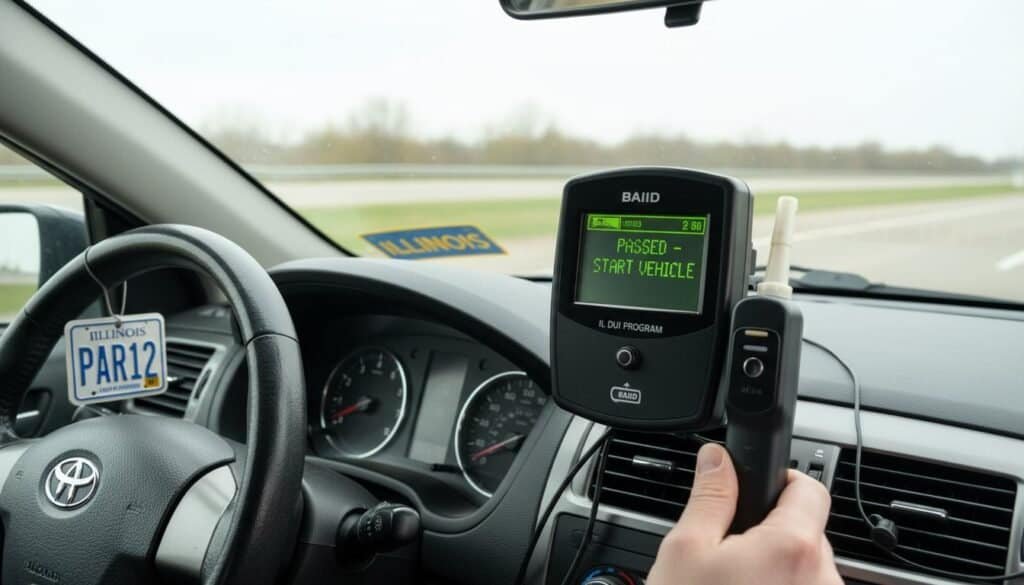
Many first-time offenders qualify to keep driving during the suspension with a BAIID, a Breath Alcohol Ignition Interlock Device. You blow to start the car and sometimes while driving. If alcohol is detected, the car will not start, and violations are recorded.
Ask about a Monitoring Device Driving Permit that lets you drive for work, school, and family needs with a BAIID. Timing matters, and setup takes planning.
If BAC is .16 or higher, or you refused the test
- A BAC of .16 or higher brings tougher consequences. Expect higher fines and at least 100 hours of community service on a first offense, and potential mandatory jail time in some cases.
- Refusal often means a longer suspension. It can change plea options and your defense approach.
Speak with a lawyer about which path, test failure or refusal, creates more risk in your situation.
Under 21 and commercial drivers: special rules
- Under 21: Illinois has zero tolerance. Any alcohol can trigger penalties, even below .08.
- Commercial drivers: For CDL holders in a commercial vehicle, the limit is .04. A DUI can also disqualify a CDL and cause job loss.
CDL and under-21 cases move fast, and the stakes are higher.
Court process after a .08 DUI in Illinois: steps and outcomes
Stay calm. The court process follows a clear track. A local DUI lawyer can guide you through each step, explain your choices, and push for the best result.
Arraignment: your first court date
You will hear your charge, receive paperwork, and enter a plea. Most people plead not guilty at this stage. The court sets future dates. Ask about discovery, motions, and license issues right away. This brief overview on whether your license is suspended automatically after a DUI arrest explains the split between your criminal case and the separate license suspension.
Pre-trial: defenses, negotiations, and paths forward
Your lawyer reviews the stop, bodycam, breath or blood testing, and reports. They may file motions to suppress or exclude evidence. Negotiations can include reduced charges, court supervision, classes, and BAIID eligibility. The goal is a result that protects your record and keeps you driving legally.
Trial and sentencing: what the judge can order
At trial, the state must prove you drove or were in actual physical control, and that you were impaired or at .08 or higher. If found guilty, the judge can order fines, community service, treatment, and BAIID. Supervision is often available for first-time offenders and can help you avoid a conviction if you complete all terms.
Smart next steps: protect your license, job, and record
Time is your friend if you act quickly. Here is a simple plan for the first days and weeks.
Move fast: hire a DUI lawyer and track deadlines
- Call a DUI lawyer now for a case review and to protect your license.
- Mark hearing and filing deadlines on your calendar.
- Ask about BAIID and whether you qualify to keep driving during suspension.
- Review the timing laid out in this guide to post-arrest license suspensions and how the 45-day window works.
Request a hearing and gather helpful evidence
- Request a license-related hearing before the deadline.
- Collect receipts, medical records, and witness names.
- Write down what happened while it is fresh, including times and what you ate or drank.
- Save proof of work schedules, rides, or childcare plans if you need hardship driving relief.
Plan for work, car insurance, and money
- Set up rides or BAIID if allowed so you can keep working.
- Expect higher insurance costs. Call your agent and plan for the increase.
- Budget for court fees, classes, and device costs.
- Do not miss court dates or classes. That can lead to warrants and more penalties.
Common mistakes to avoid after a DUI arrest
- Ignoring mail or deadlines
- Posting case details on social media
- Driving while suspended
- Skipping court or court-ordered programs
2025 Illinois DUI updates: what changed and why it matters
Illinois continues to focus on safety and compliance. The trends below can affect choices after arrest.
Refusals and high BAC cases face tougher responses
- Refusing a chemical test brings longer suspensions, and repeat refusals can mean several years without a license.
- Very high BAC cases often face added penalties and closer monitoring.
- These shifts can change legal strategy. Discuss the pros and cons of a refusal versus a failed test with your lawyer early.
For a broader rundown of what happens after an Illinois DUI arrest and how to prepare, this quick guide on post-arrest steps and rights is a helpful read.
More focus on cannabis and other drugs
- Police are using more tools to spot drug impairment.
- Courts look at alcohol and drug factors together.
- For cannabis, Illinois uses THC limits similar to alcohol rules. A blood THC level of 5 ng/ml, or 10 ng/ml in other bodily fluids within two hours of driving, can trigger a DUI charge. This matters because THC can linger after impairment fades, so testing and timing are key.
Conclusion
A .08 DUI in Illinois brings two fast-moving tracks, the criminal charge and the license suspension. Your best move is quick, informed action. Ask a DUI lawyer to review your stop and tests, request a hearing on the suspension, and explore BAIID so you can keep driving legally. Strong cases are built early, with clean timelines, smart paperwork, and steady follow-through. Make measured decisions today to protect your license, your job, and your future.
Leave a Reply