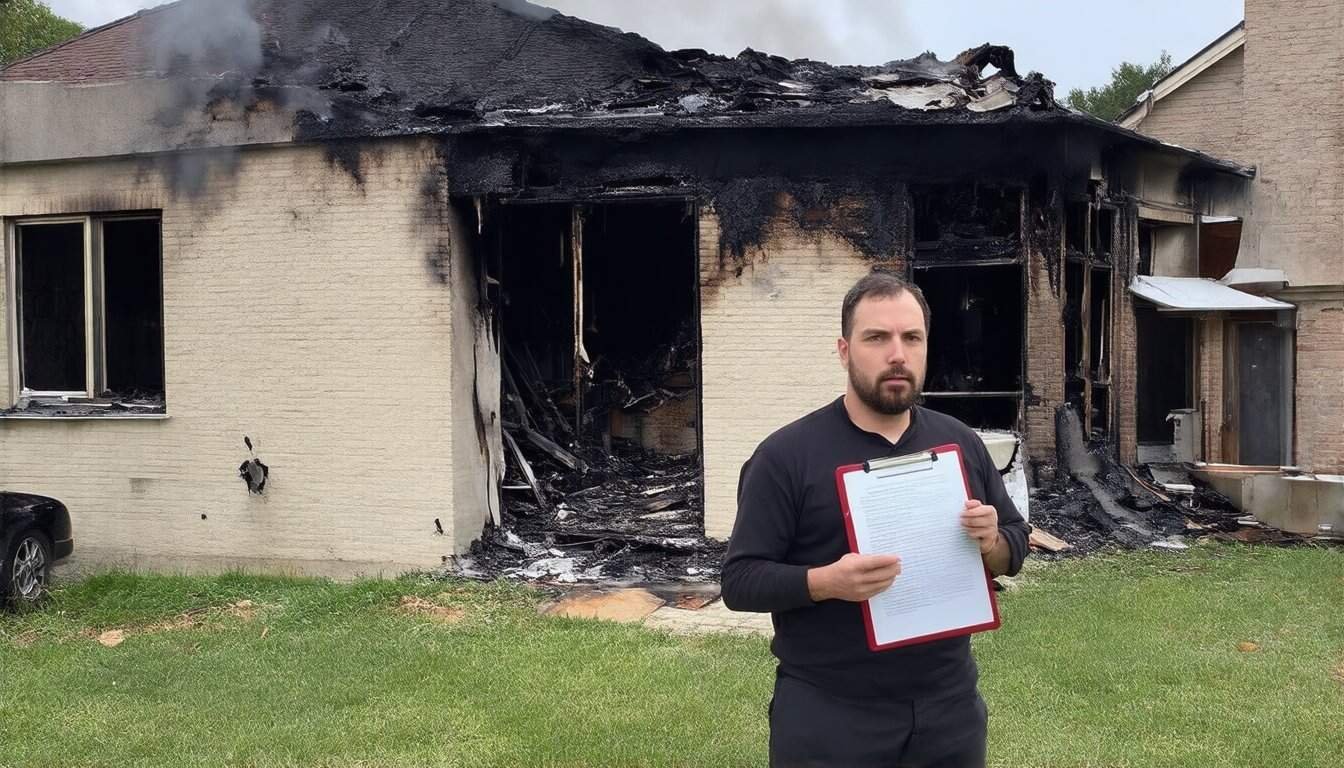
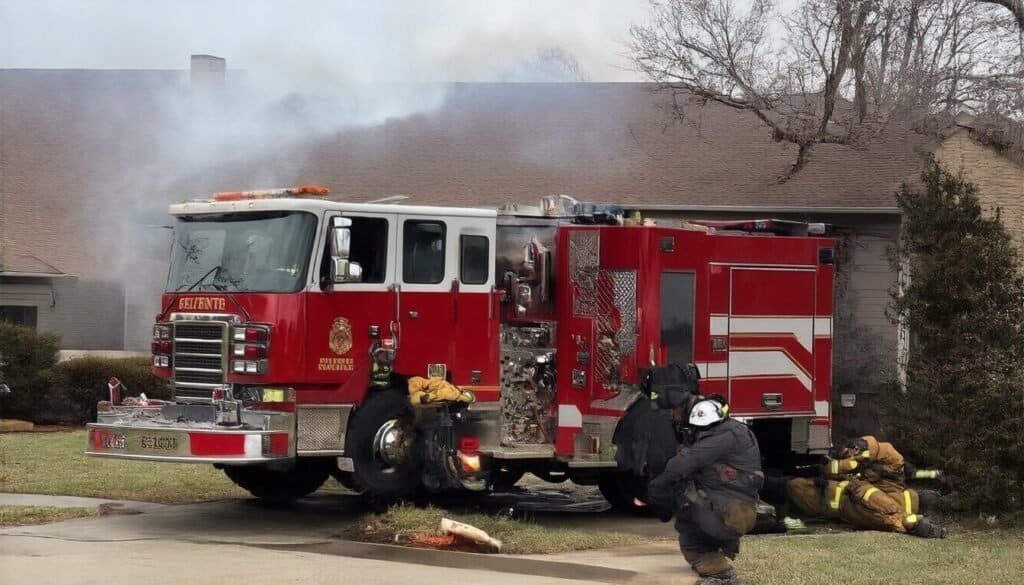
When a home, business, or rental property is damaged by fire, one of the first questions people ask is simple: does insurance cover fire loss? The short answer is yes — most standard insurance policies do cover fire damage — but the long answer is far more complicated. Coverage depends on the type of policy, the cause of the fire, exclusions, proof of loss, and how the insurance company calculates payout value.
Insurance Services
Fire loss protection is one of the core services offered in homeowners, renters, and commercial property insurance policies. Whether coverage applies depends on:
- Policy type (HO-3, HO-5, commercial property, renters)
- Cause of the fire (accidental, electrical, wildfire, arson, negligence)
- Proof and documentation submitted after the loss
- Whether the property was occupied or vacant
- Policy limits and deductibles
Insurance does cover fire loss — but not every fire, and not every type of damage, is fully covered.
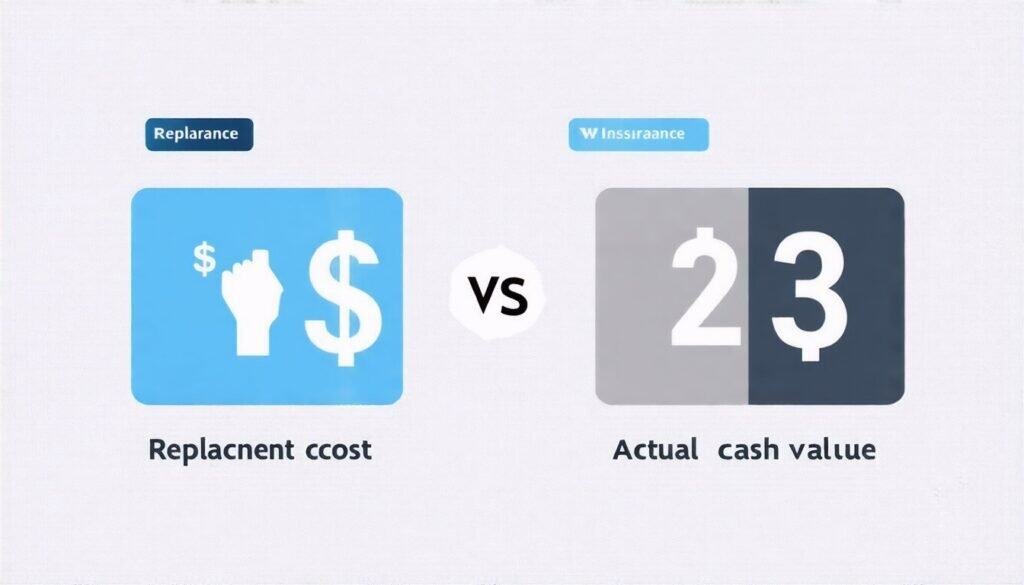
What Fire Damage Insurance Typically Covers
A standard homeowners insurance policy generally covers:
- Structural damage (walls, roof, flooring, framing)
- Smoke damage and soot cleanup
- Personal property destroyed by fire
- Temporary living expenses if the home is uninhabitable
- Debris removal
- Fire department service charges
According to the Insurance Information Institute, fire and lightning account for roughly $83,000 per average homeowners claim, making fire one of the most expensive types of losses.
What Fire Insurance Does Not Cover (Common Exclusions)
Even if a policy covers “fire,” insurance companies deny claims every year due to exclusions such as:
| Exclusion | Why It’s Not Covered |
|---|---|
| Arson by the policyholder | Insurance fraud voids coverage |
| Long-term neglect (old wiring, no maintenance) | Considered homeowner responsibility |
| Vacant properties 30–60+ days | Requires vacant property endorsement |
| War, nuclear events, terrorism (some policies) | Classified as catastrophic risk |
| Illegal activity caused the fire | Voids coverage under policy terms |
The National Association of Insurance Commissioners notes that policyholders often misunderstand exclusions until after a loss occurs.
How to File a Fire Damage Insurance Claim (Step-by-Step)
- Contact insurer immediately and open a claim file
- Protect the property from further damage (mandatory under policy terms)
- Take photo/video evidence of every room and item
- Request a certified copy of your policy
- Complete a “proof of loss” form with itemized values
- Get independent contractor estimates — not only the insurer’s adjuster
- Track all additional living expenses (ALE) if displaced
- Do not sign a settlement offer until you understand depreciation vs replacement cost
FEMA recommends keeping a home inventory list before a loss to avoid under-reporting property value.
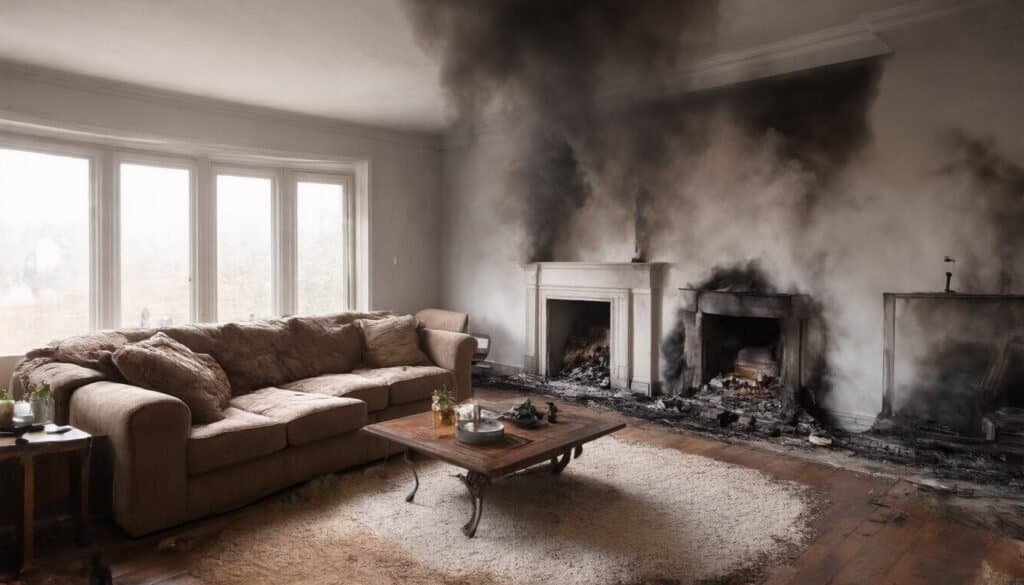
Replacement Cost vs Actual Cash Value
Whether you are fully reimbursed depends on one of two payout methods:
| Method | What You Receive |
|---|---|
| Actual Cash Value (ACV) | Depreciated value of property at time of fire |
| Replacement Cost Value (RCV) | Full cost to replace with new items of similar kind and quality |
Most homeowners think they have replacement cost, but many policies default to ACV unless an endorsement is added. That difference can be tens of thousands of dollars.
The Insurance Information Institute states that RCV policies result in 30–50% higher payouts compared to ACV.
Fire Loss Coverage by Policy Type
| Policy Type | Fire Loss Covered? | Notes |
|---|---|---|
| Homeowners (HO-3, HO-5) | ✅ Yes | Most standard policies |
| Renters Insurance | ✅ Yes | Covers belongings, not building |
| Condo Insurance | ✅ Yes | Covers interior unit and personal property |
| Commercial Property | ✅ Yes | Often includes business interruption coverage |
| Landlord / Dwelling Policy | ✅ Yes | Covers structure, not tenant belongings |
| Vacant Property Policy | ✅ Yes | Only if special endorsement added |

How to File a Homeowners Insurance Claim
What Home Insurance Actually Covers
FAQs
Does insurance cover accidental house fires?
Yes, accidental fires (cooking fires, electrical faults, space heater issues) are generally covered.
Does insurance cover wildfire damage?
Yes, unless the policy is in a high-risk wildfire zone with a wildfire exclusion.
Does insurance cover arson?
Arson is covered only if the policyholder is not responsible. Intentional fires void coverage.
Does insurance cover smoke damage?
Yes — smoke and soot are treated as direct fire damage under most policies.
Does insurance cover temporary housing after a fire?
Yes — additional living expenses (ALE) are included in most standard policies.
Conclusion
So, does insurance cover fire loss? In most cases, yes — but coverage, payout amount, and claim approval depend on policy type, exclusions, documentation, and whether the cause of the fire qualifies as an insurable event.
Fire insurance is not a one-size-fits-all guarantee. Policyholders who understand exclusions, replacement cost vs actual cash value, and the claims process are far more likely to receive full compensation after a loss.