Tag: Health

  • The Importance of Insurance in Life

    The Importance of Insurance in Life

    Most people don’t think about insurance until life forces them to — a sudden illness, a car accident, a house fire, or an unexpected death in the family. By then, it’s usually too late to prepare. That is why understanding the importance of insurance in life is not just a financial topic, but a foundational part of protecting your future, your family, and your peace of mind.

    In this guide, you’ll learn:

    • Why insurance matters even when nothing bad is happening
    • The 4 types of insurance most adults actually need
    • How to choose the right insurance for your life needs
    • The most common mistakes people make with insurance
    • How much coverage is “enough” and how to avoid overpaying

    Table of Contents

    1. What Is the Importance of Insurance in Life?
    2. The Real Cost of Living Without Insurance
    3. Why Health Insurance Matters (Even If You’re Healthy)
    4. Why Life Insurance Protects Your Family’s Future
    5. Why Auto Insurance Is More Than a Legal Requirement
    6. Why Home or Renters Insurance Matters More Than You Think
    7. How to Choose the Right Insurance for Your Life Needs
    8. How Much Coverage Do You Really Need?
    9. Common Mistakes People Make With Insurance
    10. How to Compare Insurance Providers Safely
    11. FAQs
    12. Final Thoughts + Next Step

    shield graphic protecting home, car, health, and family icons
    Insurance acts as a financial shield against unpredictable events.

    1. What Is the Importance of Insurance in Life?

    Insurance exists for one reason: to transfer financial risk away from you and onto a company that can afford it. You pay a small, predictable amount (your premium) to avoid a large, unpredictable loss later.

    • Health insurance protects you from medical debt
    • Life insurance protects your family from financial hardship if you die
    • Auto insurance protects you from the cost of accidents
    • Home insurance protects your home, belongings, and liability

    A 2023 Statista report shows that over 60% of Americans could not cover a $1,000 emergency in cash — meaning one event could wipe out their savings. (Source: Statista, “Emergency Savings Study 2023”)

    Insurance is not about expecting disaster. It’s about reducing the financial impact when life doesn’t go as planned.

    According to a 2023 CDC report on medical debt, nearly 40% of U.S. adults carry unpaid medical bills — many from a single unexpected event.


    2. The Real Cost of Living Without Insurance

    Here’s what a single unexpected event can cost without coverage:

    EventAverage Out-of-Pocket Cost (No Insurance)
    3-day hospital stay$30,000+
    Car accident injuries$22,000+
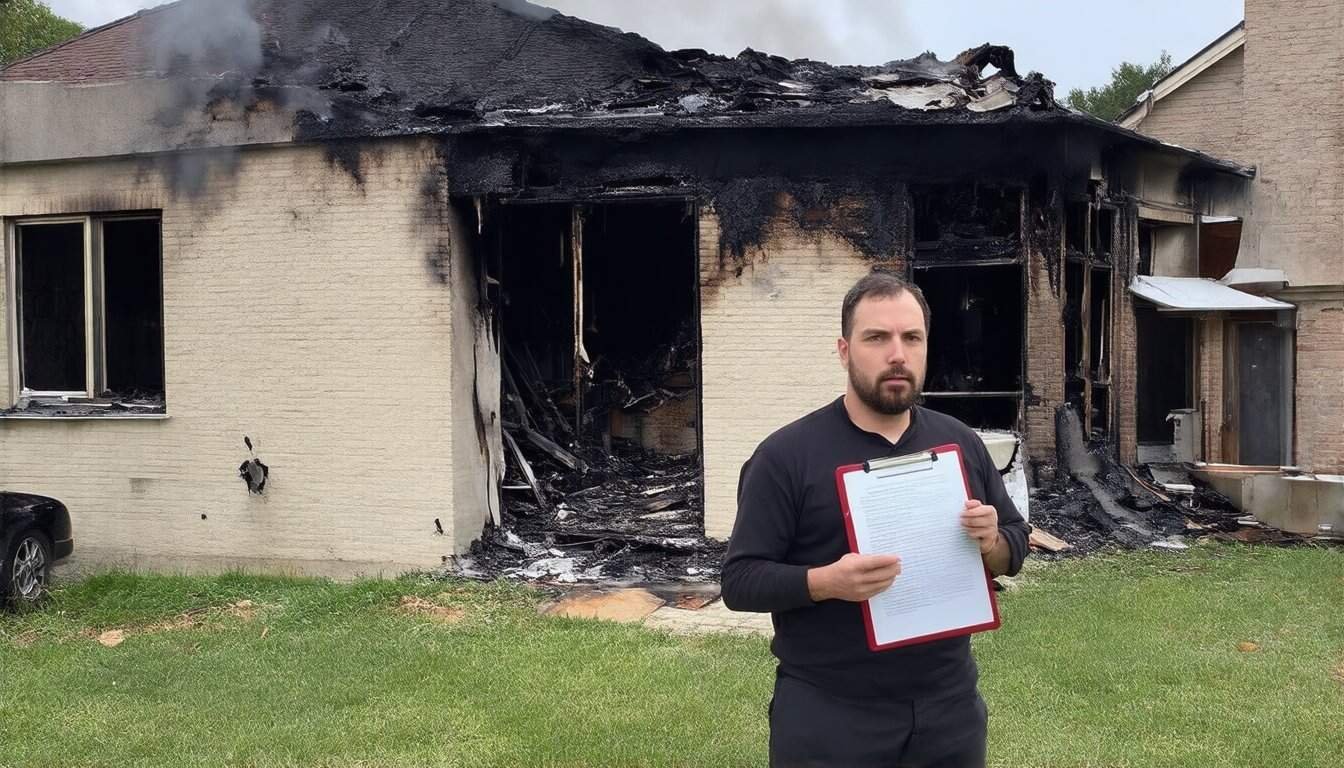
    House fire loss$200,000+
    Funeral costs$9,000–$15,000

    (Source: National Fire Protection Association, CDC, Funeral Directors Association)

    Most people don’t go bankrupt because they’re irresponsible — they go bankrupt because they were uninsured when life happened.


    3. Why Health Insurance Matters (Even If You’re “Healthy”)

    You don’t buy health insurance because you expect to get sick — you buy it because no one can predict when they will.

    • 67% of personal bankruptcies in the U.S. are tied to medical bills
    • A broken arm can cost $2,500–$15,000 without coverage
    • A single ER visit averages $2,000+ before treatment

    Even if you’re young and healthy, one accident can put you in debt for years. That’s why health insurance is often called “the foundation of financial stability.”

    according to the National Fire Protection Association


    4. Why Life Insurance Protects Your Family’s Future

    Life insurance is not for you — it’s for the people who depend on you.

    Life insurance can:

    • Replace income so your family can still pay bills
    • Cover funeral and final expenses
    • Pay off a mortgage or debts
    • Fund education for children
    • Prevent financial pressure during grief

    A basic rule:
    If someone relies on your income, you need life insurance.


    5. Why Auto Insurance Is More Than a Legal Requirement

    Car insurance isn’t just required by law — it protects you from lawsuits, repairs, medical costs, and liability.

    Without it, you are personally responsible for:

    • Car repairs (yours + the other driver’s)
    • Injuries and medical costs
    • Lost wages
    • Legal claims and lawsuits

    One accident can cost more than most people earn in a year. Auto insurance turns a $40/month policy into hundreds of thousands of dollars in protection.


    6. Why Home or Renters Insurance Matters More Than You Think

    Whether you own or rent, you need to protect:
    ✅ your belongings
    ✅ your liability
    ✅ your ability to recover from disaster

    Homeowners Insurance covers:

    • Fire, storms, theft, water damage
    • Personal property replacement
    • Lawsuits if someone gets injured on your property

    Renters Insurance covers:

    • Your belongings (your landlord’s policy does NOT)
    • Liability if you cause damage
    • Temporary housing if your apartment becomes unlivable

    Renters insurance often costs less than $15/month — yet most renters don’t have it.


    person comparing insurance policy options on a laptop
    Choosing the right insurance starts with comparing coverage, not just price.

    7. How to Choose the Right Insurance for Your Life Needs

    Here’s a simple 4-step framework:

    1. Identify What Needs Protection

    • Your income (life insurance)
    • Your health (health insurance)
    • Your vehicle (auto insurance)
    • Your home & belongings (home/renters)

    2. Calculate the “Worst-Case Cost”

    Ask: If this were destroyed, injured, or lost — could I afford to replace it?

    3. Compare Providers Based on:

    • Financial stability rating (look for A-rated companies)
    • Claim approval history
    • Premium vs. payout value
    • Customer reviews & complaint index (NAIC database)

    4. Avoid “Cheap First” Thinking

    Low premiums often = low coverage.
    You save now. You pay later.


    8. How Much Coverage Do You Really Need?

    Insurance TypeBasic Rule of Thumb
    Life10–12x your annual income
    HealthLowest deductible you can afford
    Auto100/300/100 coverage or higher
    HomeEnough to rebuild the structure + replace belongings

    9. Common Mistakes People Make With Insurance

    ❌ Buying the cheapest policy instead of the right one
    ❌ Not updating policies after life changes (marriage, kids, house purchase)
    ❌ Only covering possessions, not liability
    ❌ Waiting until something happens to get coverage
    ❌ Assuming “it won’t happen to me”


    10. How to Compare Insurance Providers Safely

    ✅ Check A.M. Best or Moody’s rating
    ✅ Read claim satisfaction reports (J.D. Power)
    ✅ Compare coverage, NOT just prices
    ✅ Look for hidden exclusions
    ✅ Verify their complaint index on NAIC.org


    11. FAQs (Featured Snippet Ready)

    What is the importance of insurance in life?
    Insurance protects you from major financial loss by covering events you cannot afford to pay for yourself, such as medical bills, car accidents, death, or property damage.

    What insurance should every adult have?
    At minimum: health insurance, auto insurance (if you drive), and either renters or homeowners insurance. Anyone with dependents should also have life insurance.

    How do I choose the right insurance?
    Identify what you need to protect, compare coverage not just cost, check company ratings, and choose policies that match your income and risk level.

    Is insurance worth it if I’m young?
    Yes — premiums are cheaper when you’re young, and unexpected accidents and illnesses can happen at any age.


    12. Final Thoughts

    Insurance is not an expense — it is a financial shield. You don’t need every policy available, but you do need the ones that protect your income, your health, your property, and the people who depend on you.

    The cost of being uninsured will always be higher than the cost of being prepared.

    GET YOUR FREE NO OBLIGATION QUOTE 👉CLICK HERE

  • Learn about the benefits of insurance

    Learn about the benefits of insurance

    Sed ut perspiciatis unde omnis iste natus error sit voluptatem accusantium doloremque laudantium, totam rem aperiam, eaque ipsa quae ab illo inventore veritatis et quasi architecto beatae vitae dicta sunt explicabo. Nemo enim ipsam voluptatem quia voluptas sit aspernatur aut odit aut fugit, sed quia consequuntur magni dolores eos qui ratione voluptatem sequi nesciunt. Neque porro quisquam est, qui dolorem ipsum quia

    Insurance Services

    Abillo inventore veritatis et quasi architecto beatae vitae dicta sunt explicabo. Nemo enim ipsam voluptatem quia voluptas sit aspernatur aut odit aut fugit, sed quia consequuntur magni dolores

    • Support Growth team in expanding customer base within legal industry as well as new markets
    • Find prospective customer leads via LinkedIn Sales Navigator, industry directories, personal network and other sources
    • Qualify prospective customer leads via email, phone, and Linkedin messaging
    • Track and analyze prospective customer pipeline, presenting stats and progress to Growth team
    • Identify trends in prospective customer engagement with various outreach campaigns

    Handling Mounting And Unmounting Given Navigation Routes In React Native

    — Johnny M. Martin
  • The Importance of House Insurance

    The Importance of House Insurance

    Sed ut perspiciatis unde omnis iste natus error sit voluptatem accusantium doloremque laudantium, totam rem aperiam, eaque ipsa quae ab illo inventore veritatis et quasi architecto beatae vitae dicta sunt explicabo. Nemo enim ipsam voluptatem quia voluptas sit aspernatur aut odit aut fugit, sed quia consequuntur magni dolores eos qui ratione voluptatem sequi nesciunt. Neque porro quisquam est, qui dolorem ipsum quia

    Insurance Services

    Abillo inventore veritatis et quasi architecto beatae vitae dicta sunt explicabo. Nemo enim ipsam voluptatem quia voluptas sit aspernatur aut odit aut fugit, sed quia consequuntur magni dolores

    • Support Growth team in expanding customer base within legal industry as well as new markets
    • Find prospective customer leads via LinkedIn Sales Navigator, industry directories, personal network and other sources
    • Qualify prospective customer leads via email, phone, and Linkedin messaging
    • Track and analyze prospective customer pipeline, presenting stats and progress to Growth team
    • Identify trends in prospective customer engagement with various outreach campaigns

    Handling Mounting And Unmounting Given Navigation Routes In React Native

    — Johnny M. Martin
  • How Insurance Covers Fire Risk: What Policies Actually Pay For

    How Insurance Covers Fire Risk: What Policies Actually Pay For

    Fire is one of the most damaging and costly events a property owner can experience, and one of the most common reasons people file insurance claims. The question isn’t simply “Does insurance cover fire?” — it’s how insurance covers fire risk, how much is paid out, what exclusions apply, and what the policyholder must do to receive full compensation. This guide explains how fire coverage works in homeowners, renters, landlord, and commercial policies, and what actually happens when a fire loss claim is filed.

    Insurance Services

    Insurance companies treat fire as a “named peril,” meaning it is one of the specific types of losses automatically included in most standard policies. Fire coverage typically applies to:

    • Structural damage to the building
    • Smoke and soot contamination
    • Damage to personal belongings
    • Additional living expenses (if a home becomes uninhabitable)
    • Debris removal after the fire
    • Fire department service charges

    Fire insurance is not sold as a separate standalone policy in most cases — it is included in homeowners, renters, dwelling, and commercial property insurance.

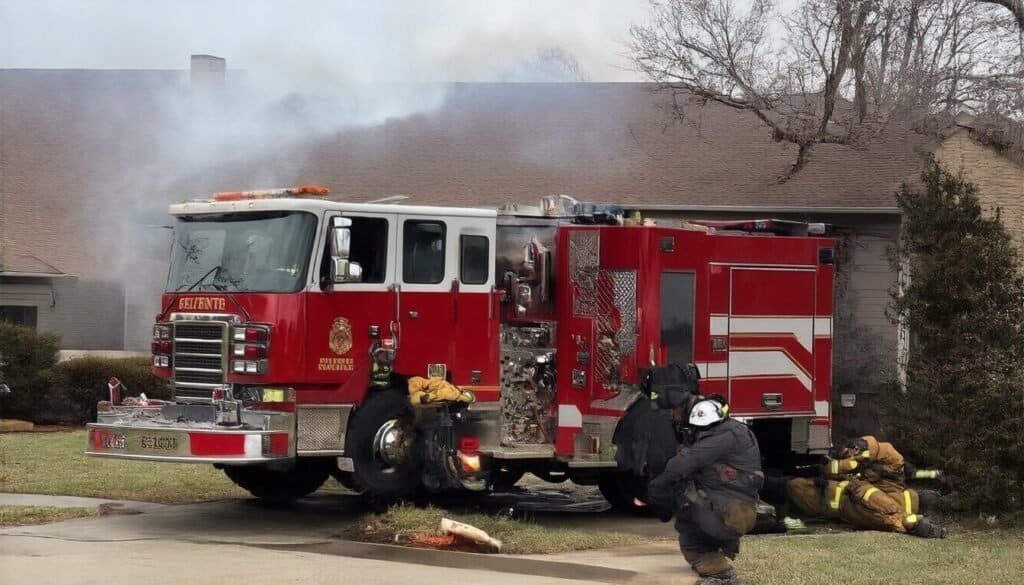
    Fire truck on scene after a residential fire before insurance inspection
    Fire departments respond first, but insurance companies handle the financial recovery after a fire.

    What Fire Insurance Normally Covers

    When a covered fire loss occurs, the insurance company typically pays for:

    1. Structural repairs – walls, floors, roof, framing, wiring, plumbing
    2. Personal property replacement – furniture, clothing, electronics, tools
    3. Smoke and soot cleanup – professional restoration services
    4. Temporary housing – hotel or rental while repairs are made
    5. Debris removal and disposal – required before rebuilding can begin

    According to the Insurance Information Institute, the average fire and lightning claim in the United States exceeds $83,000, making it one of the highest-value claim categories in property insurance.


    What Fire Insurance Does Not Cover

    Even though fire is a covered peril, there are exclusions that cause claims to be denied or reduced:

    Not CoveredExplanation
    Arson by the policyholderFraud voids the policy
    Long-term neglect (faulty wiring never repaired)Considered homeowner responsibility
    Vacant property not listed as vacantRequires special endorsement
    Illegal activity caused the fireCoverage is denied under public policy
    Intentional destruction of propertyTreated as insurance fraud

    The National Association of Insurance Commissioners reports that many denied fire claims are linked to policyholders misunderstanding exclusions or failing to read endorsements.


    Replacement Cost vs Actual Cash Value

    Fire loss payouts depend heavily on whether the policy pays Replacement Cost Value (RCV) or Actual Cash Value (ACV).

    Payout TypeWhat the Insured Receives
    Replacement Cost ValueFull cost to rebuild or replace items, no depreciation
    Actual Cash ValueDepreciated value based on age and condition

    RCV policies can pay 30–50% more than ACV policies after a fire because depreciation is not subtracted from the settlement.


    How a Fire Insurance Claim Works

    1. Contact your insurer immediately
    2. Protect the property from further damage (required under policy terms)
    3. Document all damage with photos and video
    4. Request a certified copy of the policy
    5. File a proof-of-loss form with itemized values
    6. Secure at least one independent repair estimate
    7. Track temporary housing costs and receipts
    8. Do not accept the first settlement offer without review

    FEMA recommends creating a home inventory before losses occur, because the insurance company will require a detailed list of destroyed belongings.


    Fire Loss Coverage by Policy Type

    Policy TypeFire CoverageNotes
    Homeowners (HO-3 / HO-5)✅ YesMost standard policies
    Renters Insurance✅ YesBelongings only, not structure
    Condo Insurance✅ YesCovers interior unit, not building exterior
    Landlord / Dwelling Policy✅ YesCovers structure, not tenant property
    Commercial Property Policy✅ YesOften includes business interruption

    Homeowner reviewing fire damage claim paperwork with insurance adjuster
    Policyholders must document all losses and submit proof before settlement.

    What About Wildfire and Smoke Damage?

    Smoke, ash, and soot are considered direct results of fire and are usually covered — even if the flames never reached the property. Wildfire losses, however, may require additional underwriting in high-risk areas, and some insurers exclude wildfire entirely unless added by endorsement.

    The U.S. Fire Administration reports that smoke alone can cause more toxic and permanent damage than flames.

    Homeowners Insurance Claim Guide

    What Home Insurance Actually Covers

    FAQs

    Does insurance cover accidental fires?

    Yes. Cooking fires, electrical faults, appliance failures, and space heater fires are normally covered unless excluded.

    Does insurance cover arson?

    Arson is covered only if the policyholder was not responsible. Intentional fires void the policy.

    Does insurance cover smoke damage?

    Yes. Smoke and soot are treated as direct fire damage.

    Does insurance cover fire damage in a rental?

    Renters insurance covers personal belongings. The landlord’s policy covers the building.

    Will insurance pay for hotel costs after a fire?

    Yes, under Additional Living Expenses (ALE) coverage, if the home is uninhabitable.


    Conclusion

    Insurance does cover fire loss, but coverage depends on the cause of the fire, policy exclusions, and how the payout is calculated. Policyholders who understand the difference between replacement cost and actual cash value, who document losses thoroughly, and who file claims correctly are far more likely to be fully reimbursed.

    Fire insurance is not just about having a policy — it’s about knowing what it will and will not pay for when the damage is real.