Tag: sr-22

  • What Is SR-22 Insurance in Illinois? (And How to Get It Without Getting Ripped Off)

    What an SR-22 Really Is (And Why Illinois Makes You File One)

    Let’s clear up the first myth: an SR-22 is not insurance.
    It’s a state-required proof of financial responsibility form filed by your insurance company to the Illinois Secretary of State showing you carry the minimum required liability coverage.

    Illinois requires it when the state has lost trust in you as a driver.
    And yes — that usually means: DUI, driving with no insurance, license suspension, major accident without coverage, or multiple serious violations.

    In other words:
    📌 SR-22 = “I screwed up, and now the state wants proof I’m insured — every single day — or they suspend me again.”

    • Founded: 1990
    • Headquarters: Chicago, Illinois
    • States Available: 46 states
    • Best For: High-Risk Drivers, SR-22 Filing
    • Average Annual Premium: $1,600-$2,200 full coverage

     Kemper focuses on non-standard and preferred risk auto insurance, providing coverage for drivers with various driving records. The company offers competitive rates for high-risk drivers and maintains strong financial stability. Kemper provides flexible payment options and comprehensive coverage through both agents and direct channels.

    • ✓ SR-22 filing available
    • ✓ High-risk specialist
    • ✓ Online and agent quotes
    • ✓ Flexible payment options
    • ✓ 24/7 claims service
    • ✓ Roadside assistance available
    • Phone: 1-800-578-7221
    • Website: www.kemper.com
    • Claims: 1-800-833-0355
    • Hours: 24/7

    How Long You Have to Carry SR-22 in Illinois

    Standard period: 3 years
    ✅ Timer starts after your license is reinstated — not before
    ❌ If your policy lapses, the 3-year clock restarts
    ❌ If you cancel insurance before the end of the SR-22 requirement, the state automatically suspends your license again

    So yes — keeping the policy active matters more than anything else.

    The Real Cost of SR-22 in Illinois (Not Just the Filing Fee)

    People get excited when they hear:

    “It’s only a $15–$35 filing fee.”

    Yeah. The filing fee is nothing.
    The real cost is the insurance premium increase once you’ve been labeled “high-risk.”

    Average increases in Illinois:

     
    Situation Typical Extra Per Year
    First-time DUI +$1,000 to $1,800
    Driving uninsured +$600 to $1,200
    License suspension +$500 to $1,000
    Multiple violations +$1,500+

    Why? Because the SR-22 tells the insurer:

    “This driver is now legally risky AND monitored by the state.”

    Insurers don’t like that. So they raise the price — or drop you completely.

    Which Insurance Companies File SR-22 in Illinois?

    The companies that actively file SR-22 in Illinois include:


    How to Get the Cheapest SR-22 in Illinois (Real Advice, Not Fluff)

    🔹 1. Don’t ask a standard agent

    State Farm + Allstate may deny or overprice you.
    You need non-standard carriers who handle high-risk customers every day.

    🔹 2. Shop online SR-22 specialist insurers

    They file instantly, no lecture, no office visit, no judgment.

    🔹 3. Choose liability only (unless your car is financed)

    Full coverage + SR-22 = way more expensive.

    🔹 4. Pay monthly if you can’t afford full premium

    Illinois DMV only cares that the policy stays active.

    🔹 5. If you don’t own a car, get non-owner SR-22 insurance

    Way cheaper + still reinstates your license.

    🔹 6. File early

    Don’t wait until court date or reinstatement day — delays = suspended license.

    What Happens If Your SR-22 Policy Lapses?

    Your insurance company is required by law to notify the state using an SR-26 cancellation form.

    That triggers:

    ❌ Immediate license re-suspension
    ❌ Your 3-year SR-22 clock resets
    ❌ Possible fines or jail time if caught driving
    ❌ Higher premiums when you reapply

    SR-22 is like probation — you don’t miss payments.

    SR-22 vs FR-44 vs Regular Insurance (Quick Breakdown)

    Type What It Means Used For
    SR-22 Proof of minimum coverage Illinois + most states
    FR-44 Higher liability required Florida, Virginia (not IL)
    Regular Policy No monitoring Standard drivers

    Illinois only uses SR-22, not FR-44.

    Step-By-Step: How to Get SR-22 Filed in Illinois Today

    • Get a quote from a company that actually handles SR-22s

    • Buy a policy (liability only is fine unless loan/lease requires full coverage)

    • The insurer electronically files SR-22 with the Illinois SOS

    • Wait for confirmation — then apply for reinstatement

    • Drive legally again

    Total time: Same day if you choose the right company.

    Where to Get the Best Illinois SR-22 Rates

    🛑 Don’t wait until the court date or reinstatement deadline.
    The longer you delay, the more you pay — and the longer you stay suspended.

    ✅ Get SR-22 quotes from Illinois providers who file instantly
    ✅ No office visit, no judgment, no waiting period
    ✅ Cheap non-owner SR-22 available if you don’t own a car

    Final Word

    An SR-22 isn’t a prison sentence — it’s paperwork.
    You can still get insured, still drive legally, and still save money if you shop smart and don’t let the policy lapse.

    The state wants one thing: proof you’re insured for 3 straight years.
    Do that, and the SR-22 disappears like it never happened.

    Screw it up?
    You restart the clock — and pay more.

    Sources & Official Illinois References

    Illinois Secretary of State – SR-22 Financial Responsibility Filing
    Explains when Illinois requires an SR-22, how long it must be carried, and how insurers file it.
    https://www.ilsos.gov/departments/drivers/drivers_license/safety_sr.html

    Illinois License Reinstatement & Fees (SOS)
    Step-by-step guide to reinstating a suspended license after DUI or no insurance.
    https://www.ilsos.gov/departments/drivers/drivers_license/reinstatement.html

    Illinois Minimum Auto Insurance Requirements
    Lists the mandatory liability limits every Illinois driver (including SR-22 drivers) must carry.
    https://www.ilsos.gov/departments/vehservices/insurance/minimum_requirements.html

    Illinois DUI Laws & Penalties (Act ID 1833)
    Full Illinois statute covering DUI penalties, SR-22 triggers, and license suspension rules.
    https://www.ilga.gov/legislation/ilcs/ilcs.asp?ActID=1833
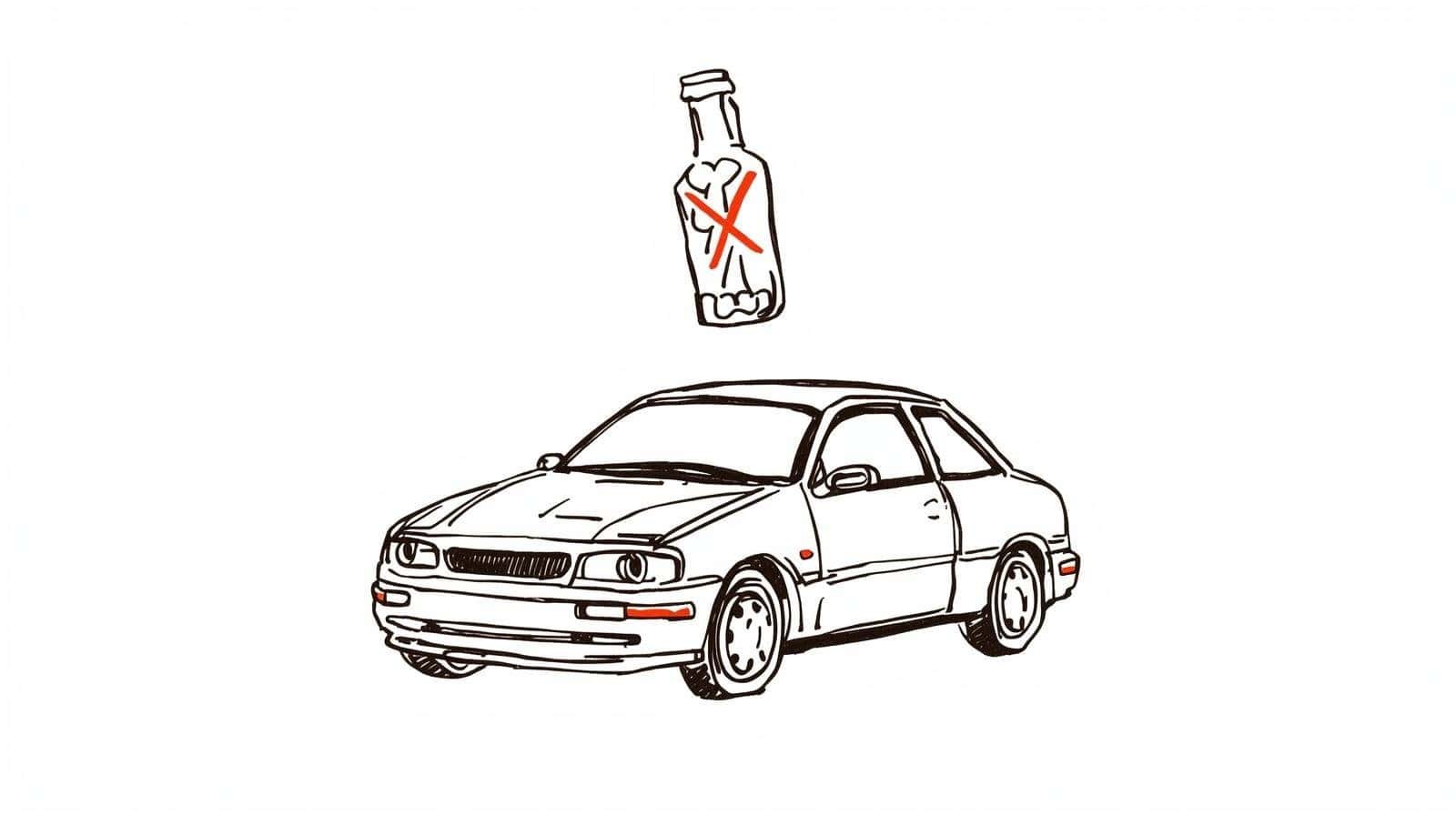
  • How to Find Cheap Car Insurance with Low Rates (Even After a DUI)

    How to Find Cheap Car Insurance with Low Rates (Even After a DUI)

    Finding affordable car insurance doesn’t have to feel impossible—even if you’re dealing with a DUI on your record. I’ve spent years analyzing insurance markets, comparing carrier policies, and helping drivers navigate the complicated world of auto coverage. Here’s the thing: most people overpay for car insurance because they don’t understand how rates are calculated or where to find legitimate discounts.

    The average American driver pays around $1,730 per year for full coverage car insurance, according to recent industry data. But that number jumps dramatically if you’re considered a high-risk driver. A DUI conviction can increase your premiums by 80% or more, pushing annual costs above $3,000 in many states. That’s a real financial burden—but it’s not permanent, and there are concrete steps you can take right now to lower those rates.

    Whether you’re shopping for your first policy, looking to switch carriers, or trying to rebuild your insurance profile after a DUI, this guide will walk you through everything you need to know. You’ll learn how insurers actually calculate rates, which discounts you might be missing, and how to compare quotes effectively. Let’s break down the strategies that actually work.

     Person comparing car insurance quotes on laptop with calculator and paperwork
    Shopping for cheap car insurance requires understanding how carriers calculate your rates

    Understanding How Car Insurance Rates Are Actually Calculated

    Before you can lower your car insurance costs, you need to understand what you’re working with. Insurance companies use complex algorithms to assess risk, but the factors they weigh aren’t secret. Your driving record, age, location, credit score, vehicle type, and coverage choices all play significant roles in determining your premium.

    Driving history matters most. If you’ve been in accidents or received traffic violations, insurers view you as a higher risk. A clean driving record over three to five years can qualify you for safe driver discounts ranging from 10% to 30%. Conversely, a DUI conviction signals major risk—it tells insurers you’ve engaged in behavior that dramatically increases the likelihood of future claims.

    According to the Insurance Information Institute, drivers with a DUI pay an average of $1,400 more per year for coverage compared to those with clean records. Some states see even steeper increases. In California, for example, a DUI can raise your rates by 92%, while in North Carolina, the increase averages around 340%.

    Your location impacts rates more than you’d think. Urban areas with higher traffic density, theft rates, and accident frequency typically command higher premiums. State minimum coverage requirements also vary—Michigan and Florida historically have some of the most expensive insurance markets due to no-fault laws and high fraud rates, while states like Maine and Vermont often see lower average premiums.

    Credit-based insurance scores (where legally permitted) can affect your rates by hundreds of dollars annually. Insurers have found statistical correlations between credit management and claim filing patterns. If your credit score is below 600, you might pay 70% more than someone with excellent credit, even with identical driving records.

    The type of vehicle you drive also factors in. High-performance sports cars, luxury vehicles, and models with poor safety ratings cost more to insure. Conversely, mid-size sedans with strong safety features and lower theft rates typically qualify for better rates. If you’re shopping for cheap car insurance with low rates, consider how your vehicle choice impacts your premium.

    Chart showing factors affecting car insurance rates including driving record, location, and vehicle type, book cover, bold shapes, hard edges, street art, trending on artstation, by Leesha Hannigan, Ross Tran, Thierry Doizon, Kai Carpenter, Ignacio Fernández Ríos
    The little things that affect car insurance

    Proven Strategies to Lower Your Car Insurance Premiums

    Actually, there are more ways to reduce your insurance costs than most drivers realize. Let me walk you through the strategies that consistently deliver results.

    Shop around aggressively. This is the single most effective way to save money. Rates for identical coverage can vary by $1,000 or more between carriers. You should compare quotes from at least five different companies annually. Use comparison tools, but also get quotes directly from major carriers like State Farm, GEICO, Progressive, and Allstate, as well as regional insurers that might offer competitive rates in your area.

    The National Association of Insurance Commissioners reports that comparison shopping can save drivers between 15% and 40% on annual premiums, depending on their profile and location.

    Bundle your policies. Multi-policy discounts are among the easiest savings to capture. If you combine your auto insurance with homeowners or renters coverage through the same carrier, you’ll typically save 15% to 25% on both policies. That adds up to hundreds of dollars per year for most households.

    Increase your deductible strategically. Moving from a $500 deductible to $1,000 can lower your premium by 15% to 30%. Just make sure you have enough saved to cover the higher out-of-pocket cost if you need to file a claim. This strategy works best if you’re a safe driver unlikely to need coverage frequently.

    Ask about lesser-known discounts. Insurance companies offer dozens of discount programs, but they won’t always advertise them proactively:

    • Defensive driving courses: Completing an approved course can save 5% to 10%
    • Low mileage discounts: Driving under 7,500 miles annually often qualifies you for savings
    • Paperless billing: Some insurers discount 3% to 5% for digital communications
    • Pay-in-full discounts: Paying your annual premium upfront instead of monthly can save 5% to 10%
    • Professional affiliations: Members of certain organizations, unions, or employers may qualify for group rates
    • Good student discounts: If you’re under 25 and maintain a B average or higher, you might save 10% to 20%
    • Anti-theft devices: Factory-installed or aftermarket security systems can reduce premiums
    • Automatic payments: Setting up autopay might qualify you for a small discount

    Consider usage-based insurance programs. Telematics programs like Progressive’s Snapshot, State Farm’s Drive Safe & Save, or Allstate’s Drivewise monitor your actual driving behavior through a mobile app or plug-in device. If you demonstrate safe driving habits—avoiding hard braking, limiting late-night driving, and maintaining steady speeds—you can save up to 30% on your premium.

    According to research from the Casualty Actuarial Society, usage-based insurance programs have shown promising results in rewarding genuinely safe drivers with meaningful discounts.

    Review your coverage annually. As your vehicle ages and depreciates, you might no longer need comprehensive and collision coverage. Once your car is worth less than 10 times your annual premium, it’s often more cost-effective to drop these coverages and self-insure for physical damage. Just maintain liability coverage to protect yourself financially if you’re at fault in an accident.

    Woman reviewing car insurance policy documents with highlighted sections, digital painting, artstation, concept art, donato giancola, Joseph Christian Leyendecker, WLOP, Boris Vallejo, Breathtaking, 8k resolution, extremely detailed, beautiful, establishing shot, artistic, hyperrealistic, beautiful face, octane render, cinematic lighting, dramatic lighting, masterpiece
    The Stress of raising insurance premiums, causing her to melt way.

    Time is your ally. As your DUI ages, its impact on your rates gradually decreases. You’ll see your first meaningful rate drop around the three-year mark in most states. By the five-year point, some insurers will treat you similarly to standard-risk drivers, especially if you’ve maintained a spotless record since the incident.

    Consider state-assigned risk pools as a last resort. If you absolutely cannot find coverage in the private market, every state operates an assigned risk plan that guarantees basic coverage to any licensed driver. These policies are expensive—often 2 to 3 times standard rates—but they keep you legal while you work on rebuilding your insurance profile.

    The Insurance Research Council has published extensive research on high-risk driver markets and state-assigned risk programs, offering valuable insights into how these systems function.

    Continue Reading – Best Cheap Car Insurance Companies for Low Rates in 2025